
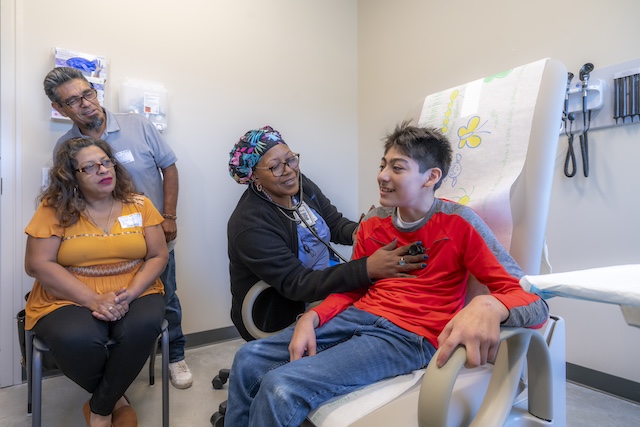
These years (middle school to age 22) are critical for preparing your child for adulthood. Focus on transition planning, legal preparation, and building skills for independence:
Transition Planning & Education (Ages 14-22)
- Participate actively in transition planning through ARD meetings. Starting at age 14, ensure your child’s Admission, Review & Dismissal (ARD) services include transition assessments, measurable postsecondary goals (education, employment, independent living), transition services, and coordination with outside agencies. Be an advocate—ensure the plan reflects your child’s abilities and dreams, not just their limitations.
- Access Pre-Employment Transition Services (Pre-ETS). Students aged 14-22 can access Pre-ETS through Texas Workforce Commission Vocational Rehabilitation for job skills development and employment preparation.
- Plan for when school support ends. School support generally ends at age 21 or 22, depending on birth date. Consider Individualized Skills and Socialization (ISS) for job skills and community integration, or Day Activity and Health Services (DAHS) for individuals with complex needs. Your loved one may also attend trade school or college depending on their goals and abilities.
Legal Planning & Guardianship (Start by Age 16-17)
- Meet with a special needs attorney early. Schedule consultations when your child is 16-17—well before age 18. This gives you time to fully understand your options: full guardianship, limited guardianship, or supported decision-making agreements. Court decisions can take months.
⏰ CRITICAL MILESTONE: At age 18, educational rights transfer from parents to student unless guardianship is established. Begin the guardianship process AT LEAST six months before age 18.
- Understand alternatives to guardianship. Texas law recognizes supported decision-making agreements as an alternative. Schools must discuss these options at least one year before the student turns 18. Having time to plan is crucial versus feeling rushed when your child turns 18.
- Finalize legal documents. Ensure all legal documents for guardianship and estate planning are in place before age 18.
Transportation & Identification (Before Age 18)
- Obtain proper identification before age 18. If your child can drive, enroll in driver’s education (Texas allows learner’s permits at 15). If not driving, obtain a State ID card through Texas DPS—needed for bank accounts, jobs, voting, healthcare, SSI/SSDI benefits, and travel. Requires birth certificate, Social Security card, and proof of Texas residency.
- Plan for transportation independence. Explore options including VIAtrans (San Antonio’s paratransit service), public transportation training, rideshare services, and transportation support through waiver programs. Discuss needs in ARD meetings.
Financial Benefits & Healthcare Transitions
- Apply to become SSI representative payee if needed. If your child is not already receiving SSI benefits, consider this step. When a child receiving SSI turns 18, Social Security re-evaluates eligibility based on adult criteria, considering only the child’s income (not family income).
- Apply for SNAP benefits at age 21. If you are not already receiving Supplemental Nutrition Assistance Program benefits, applications at age 21 are based on the individual’s income, not the household.
- Prepare for healthcare transition from STAR Kids to STAR+PLUS. This transition happens at age 21. Begin planning at age 15 to ensure smooth continuity of healthcare services.
⏰ CRITICAL MILESTONE: At age 21, individuals transition from STAR Kids to STAR+PLUS for healthcare services. Start transition planning at age 15.
Vocational Planning & Post-Graduation (Age 22)
- Begin vocational planning before graduation. Contact Texas Workforce Commission Vocational Rehabilitation Services at 800-628-5115 to establish a case before graduation at age 22. Your school may also offer vocational services.
Throughout Your Journey
Self-care is critically important. Find ways to create meaningful relief from daily responsibilities. Your support network can include nonprofits, friends, family, and local, state, and federal resources.
Support groups and families on similar paths offer shared wisdom. Case managers and social workers can help with many aspects of your family’s wellbeing, including safety net needs like food, housing, and utilities.
Many families connect with resources at SACRD.org/IDD or Morgan’s Multi-Assistance Center and their team of Navigators.
Continue to vision and dream for your child’s life, focused on their abilities. You are your child’s most important advocate. Trust your instincts.